
Transforming Mobile Home Parks: The Role of Landscape Architecture in Salem


In recent years, Salem has seen a growing interest in transforming mobile home parks into vibrant, sustainable communities. This transformation relies heavily on the expertise of landscape architects, who play a crucial role in reshaping these spaces. By enhancing functionality, aesthetics, and environmental sustainability, landscape architecture is breathing new life into mobile home parks.

Creating Functional Spaces
One of the primary goals of landscape architecture in mobile home parks is to enhance functionality. This involves designing landscapes that promote community interaction and provide residents with essential amenities. By incorporating walking paths, communal gardens, and recreational areas, landscape architects create spaces that encourage socialization and a sense of belonging.
In addition to communal areas, landscape architects focus on personal outdoor spaces. They design private gardens and patios that offer residents a place to relax and enjoy the outdoors. This balance between communal and private spaces is essential for fostering a healthy community dynamic.
Enhancing Aesthetics
Aesthetics play a critical role in the transformation of mobile home parks. Landscape architects use their expertise to create visually appealing environments that enhance the overall quality of life for residents. By incorporating native plants, colorful flowers, and well-designed pathways, they transform previously bland areas into vibrant, inviting spaces.
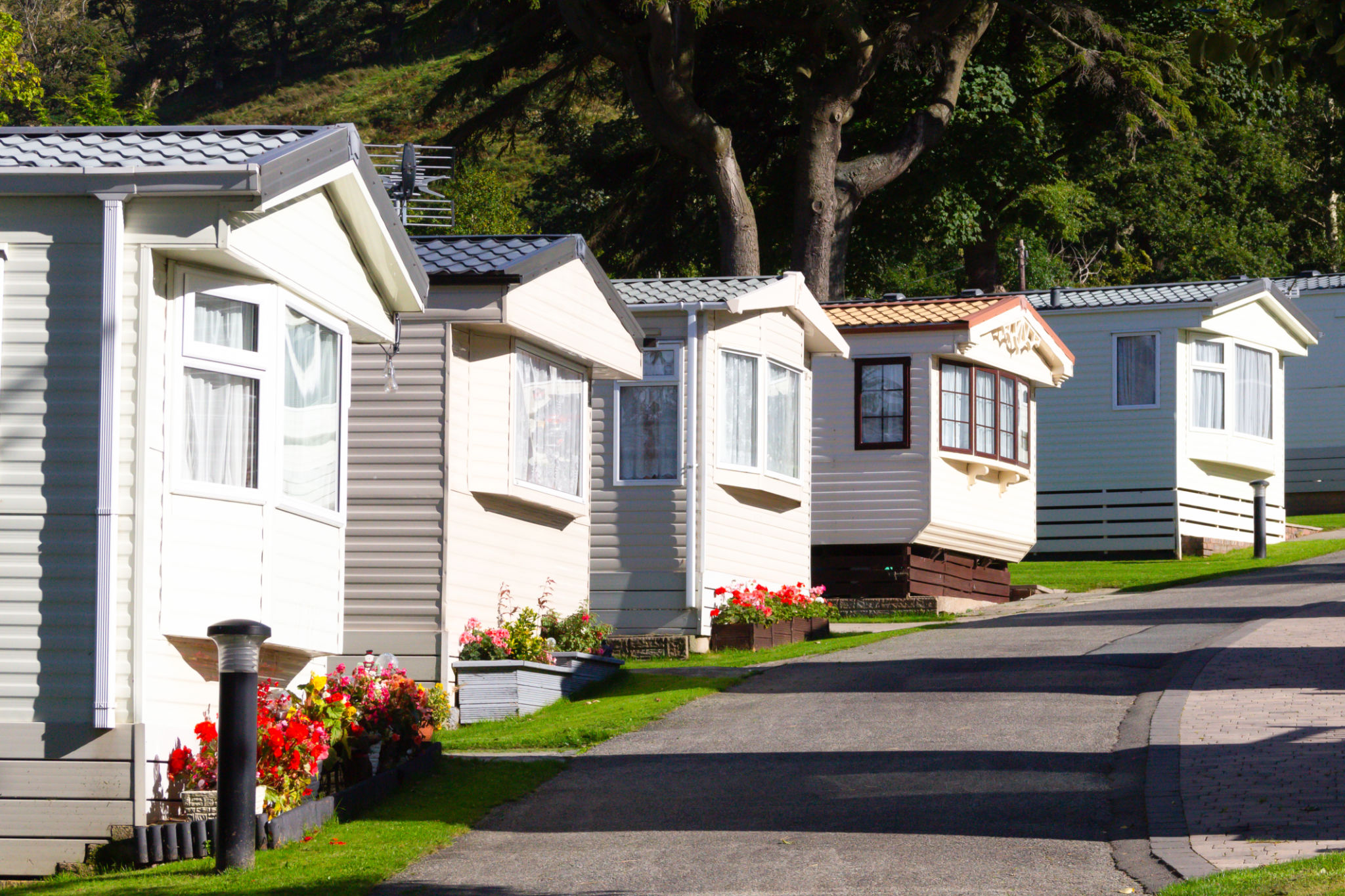
Thoughtful design elements such as decorative lighting, water features, and art installations can further enhance the beauty of these parks. These aesthetic improvements not only attract new residents but also instill a sense of pride among existing community members.
Promoting Environmental Sustainability
Landscape architecture is also vital in promoting environmental sustainability within mobile home parks. Architects implement sustainable practices such as rainwater harvesting, xeriscaping, and the use of permeable paving materials. These practices help reduce the environmental impact of the parks while promoting resource conservation.
Moreover, the integration of green spaces and tree planting contributes to improved air quality and provides natural cooling, reducing the need for artificial air conditioning. These efforts are crucial in creating eco-friendly communities that align with Salem's commitment to sustainability.

Community Engagement and Education
Transforming mobile home parks is not just about physical changes; it also involves engaging with the community. Landscape architects often organize workshops and educational programs to involve residents in the transformation process. This engagement fosters a sense of ownership and encourages residents to take an active role in maintaining their environment.
Community feedback is integral to the success of these projects. By understanding the unique needs and desires of residents, landscape architects can tailor their designs to better serve the community, ensuring long-term satisfaction and success.
The Future of Mobile Home Parks in Salem
As Salem continues to grow, the transformation of mobile home parks through landscape architecture offers a promising path forward. By creating functional, aesthetically pleasing, and sustainable environments, these projects are redefining what it means to live in a mobile home park.
The role of landscape architecture in these transformations highlights the importance of thoughtful design and community engagement in creating spaces that enhance quality of life. With continued investment and innovation, Salem's mobile home parks have the potential to become thriving, model communities for others to follow.